Global Insights into Online Blackjack and Slot Games
Written by Theo Perry · Nov 5, 2026

Global Insights into Online Blackjack and Slot Games
Online blackjack and slots operate through regulated digital platforms that deliver card games and reel-based entertainment to users worldwide, and these formats continue to expand as technology advances and markets evolve. Research from institutions such as the University of Nevada Reno shows that blackjack relies on standardized rules where players aim to reach a hand value closest to 21 without exceeding it, while slots function on random number generators that determine symbol combinations across multiple reels. Data indicates that both categories attract distinct player groups because blackjack emphasizes decision-making sequences, whereas slots depend primarily on chance mechanics.
Core Rules and Features of Online Blackjack
Blackjack variants in digital environments follow core principles established decades ago, yet operators introduce side bets and rule adjustments that alter payout structures. Players receive two cards initially and decide whether to hit for additional cards, stand on current totals, or apply options like doubling down and splitting pairs when conditions permit. Observers note that house edges typically range between 0.5 and 2 percent depending on specific rules such as dealer hit-or-stand policies on soft 17, and these percentages derive from mathematical models rather than operator discretion alone. Studies from academic sources reveal that basic strategy charts reduce the house advantage to its lowest possible level across common rule sets.
Multiple deck configurations appear frequently in online versions because they limit card-counting effectiveness, and software providers implement continuous shuffling mechanisms that reset the deck after each hand. Those who've examined platform operations know that live dealer blackjack streams add real-time interaction through video feeds while maintaining the same probability frameworks as automated tables.
Mechanics and Design Elements in Online Slots
Slot games generate outcomes via certified random number generators that ensure each spin remains independent of previous results, and regulatory testing laboratories verify these systems before market release. Modern titles incorporate features including cascading reels, multiplier symbols, and progressive jackpots that accumulate across networks of players. Evidence suggests that return-to-player percentages for slots generally fall between 92 and 98 percent, with figures published in operator transparency reports that detail long-term payout ratios.
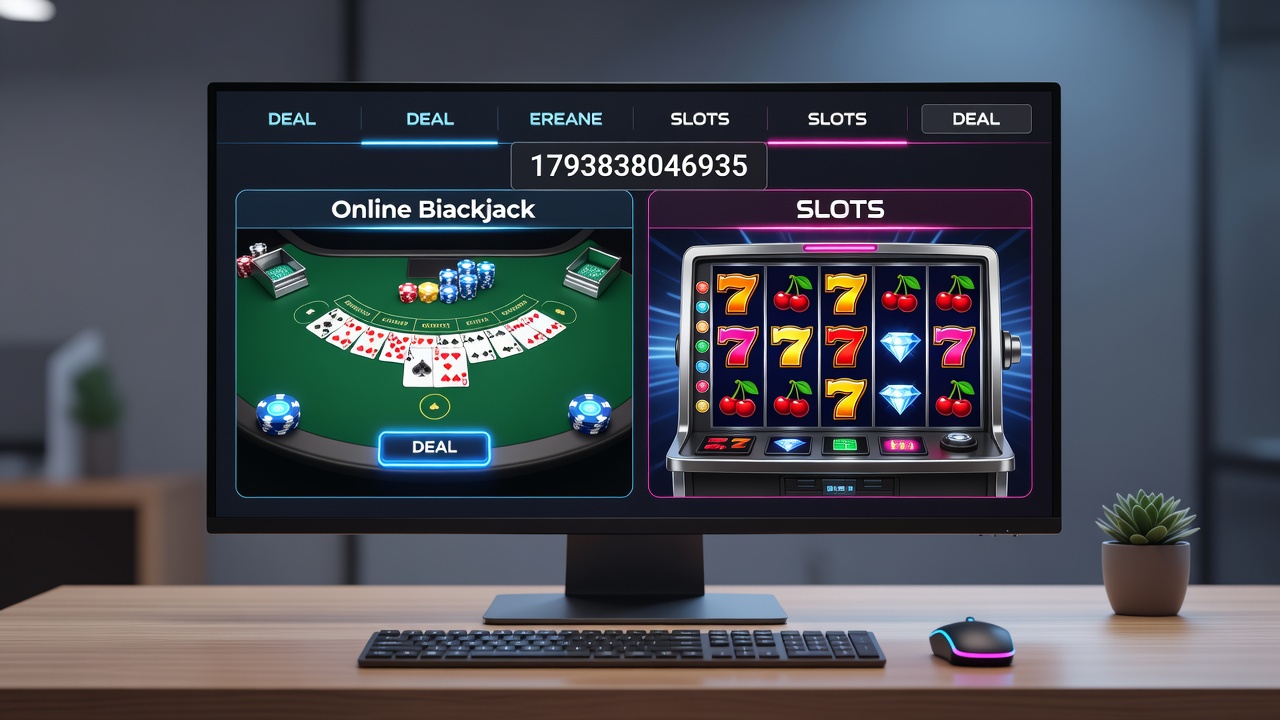
Volatility levels determine how frequently wins occur and their average size, and developers categorize games accordingly so users can select experiences that match their preferences for session length. One study revealed that themed content based on historical events, mythology, or popular culture increases engagement metrics across different demographics. Take one developer that released a cluster-pay mechanic in recent years; analysts recorded higher session durations on those titles compared with traditional payline structures.
International Regulatory Frameworks
Regulatory bodies outside the United Kingdom shape market operations through licensing requirements and compliance standards. Nevada Gaming Control Board reports document how online offerings must meet strict technical standards for fairness and security, while similar oversight exists in jurisdictions such as New Jersey and Pennsylvania. In Europe, the Belgian Gaming Commission enforces separation between land-based and remote activities, and operators must submit game files for independent audits before launch.
Canadian provincial regulators, including those in Ontario, require age verification systems and responsible gambling tools that track player behavior over time. Data from these sources shows steady growth in licensed markets as new jurisdictions establish frameworks that balance consumer protection with industry expansion. November 2026 brings scheduled updates to certain compliance reporting cycles across multiple regions, and those updates will incorporate additional metrics on game performance and user activity patterns.
Player Interaction Patterns Across Both Formats
Many platforms present blackjack and slots within the same account interface, which allows seamless movement between table games and reel entertainment during single sessions. Researchers discovered that bonus structures sometimes link the two categories, such as when slot play generates credits applicable to blackjack tables. Experts have observed that loyalty programs reward consistent activity across both formats through tiered point systems that unlock additional features or cashback options.
Security protocols rely on encryption standards and multi-factor authentication, and payment processors integrate methods ranging from traditional cards to digital wallets. Those who've studied user behavior note that session lengths vary significantly, with blackjack rounds often concluding faster than slot sequences that include bonus rounds and free spin sequences.
Conclusion
Online blackjack and slots continue to develop through technological refinements and regulatory adjustments across global markets. Figures from sources such as the Alcohol and Gaming Commission of Ontario illustrate ongoing market maturation as new tools for verification and transparency enter widespread use. The combination of established game mathematics with evolving platform capabilities creates a landscape where both formats maintain distinct identities while sharing common infrastructure elements.